
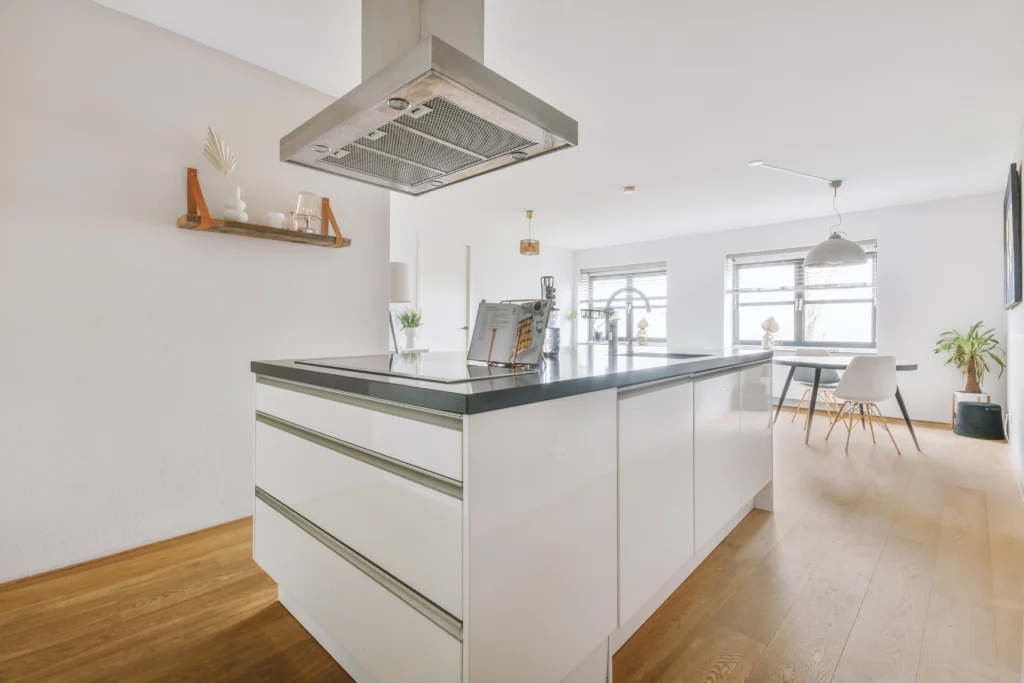
Stainless steel remains at the forefront because it combines aesthetics, precision, and durability. Instead of depending on trends, it interacts with light, touch, and time. Therefore, when a project seeks functional innovation, paying attention to the finish makes all the difference. Thus, the specification ceases to be a detail and becomes a strategy.
Stainless steel maintains the design aesthetic for many years. Furthermore, in high-traffic environments, it reduces rework and preserves visual uniformity. The surface doesn’t peel, yellow, or require easy cleaning. It’s also 100% recyclable, contributing to ESG goals without sacrificing performance. Consequently, it becomes an ally for those who need longevity. To avoid mistakes in the base material, it’s worth remembering: in interiors and urban areas, AISI 304 performs very well. In coastal regions, swimming pools, and locations with chlorides, AISI 316 is recommended, as molybdenum increases corrosion resistance. Therefore, a technical decision protects the investment and avoids surprises.
Each finish communicates an intention. Brushed finishes soften reflections and create understated elegance, making them great for panels, appliances, and joinery profiles. Polished finishes expand light and visually enlarge smaller spaces; however, they require careful installation to preserve the mirrored effect. Vibrated finishes break up reflection in multiple directions and are ideal for large surfaces, as they disguise touch marks. Sandblasted finishes offer soft diffusion with a velvety feel that works well on handrails and bars. PVD adds color without painting. Champagne, gold, graphite, and black maintain the metallic base and increase surface hardness. In this way, exposed hardware and light fixtures gain character with simple maintenance. Thus, it is possible to combine surfaces to control brightness, depth, and rhythm throughout the day.
Choosing stainless steel finishes defines how light travels through the space and how everyday use becomes apparent or diluted. Brushed for sobriety, polished for spaciousness, vibrated for texture, sandblasted for diffusion, and PVD for durable color. In this way, the design impresses today and remains compelling for years to come.